
Plastic
Inventor
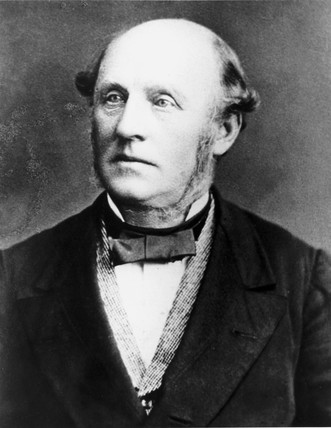
Inventor Alexander Parkes
Alexander Parkes
Born29 December 1813
Birmingham
Died29 June 1890 | Age 76

Alexander Parkes 1856

Parkes was born December 29, 1813, Birmingham, Warwickshire, England.
Alexander was a British chemist and inventor noted for his development of various industrial processes and materials and for having invented the first plastic that Parkes patented in 1856

Celluloid called Parkesine
His interest in the newly formed rubber industry led to the invention of a new material which he called 'Parkesine'. Parkesine was based on cellulose nitrate and was the first plastic.
Parkes observed that the solid residue left after the evaporation of the solvent of photographic collodion was a “hard, horny elastic and waterproof substance.” In 1856, he patented the process of waterproofing woven fabrics by the use of such materials.
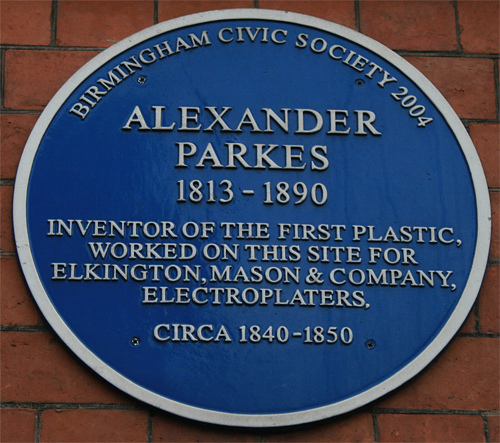
Blue plaque on the old Birmingham Science Museum
Parkes introduced his new material to great public interest at the '1862' Great International Exhibition in London and was awarded a prize medal. He established The Parkesine Company at Hackney Wick in London.

Wildlife Conservation
Parkesine played an important roll in conservation. Parkes new plastic set into a hard horny material that he used to mimic ivory and tortoiseshell. No longer did animals need to be killed for this industry, protecting wildlife.
 

World without Plastic
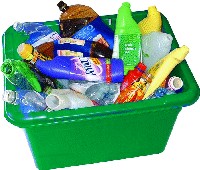
Plastic box
Plastic box

Today plastic is everywhere we look. Every house is full of items made from some form of plastic. Celluloid film was the basis of the movie industry.

Some of the thousands of items made from plastic:
Toothbrushes, buckets, bowls, pens, plates, cutlery, bottles, boxes, bags, toys, pipes, tables, chairs, footballs, CDs etc.

Mouldings for:
Computers, smartphones, printers, screens, keyboards, mouse, webcams, cameras, cars, iPods, MP3 players, vacuum cleaners, Stereos, TVs etc.

Too Durable

...
In the quest for a material that is highly durable this invention has grown into a modern environmental monster. Plastics can take decades to decompose and modern industry has replaced many recyclable materials with plastic. This is especially so with single use items that are discarded and not reused blotting the oceans and countryside.


Things made of Plastic
Bottles Buckets Boxes Cups Toothbrushes Pens Smartphones Computers Televisions Xbox Toys Dolls Chairs Electric plugs sockets Footballs Artificial Grass Flowers Car parts Tools Conservatories Windows Doors Acrylic glass Perspex Knives Forks Plates Spoons Ornaments Lights Toilet seats Pipes
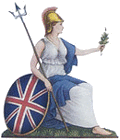
The emblem of Rule Britannia No, it was:1856
In History
  • 16 February 1834.
    This month 191 years ago the world lost Lionel Lukin
  • 14 February 1779.
    This month 246 years ago the world lost Captain Cook
  • 05 February 1790.
    This month 236 years ago the world lost William Cullen
  • 10 February 1868.
    This month 157 years ago the world lost David Brewster
  • 26 February 1884.
    This month 141 years ago the world lost Alexander Wood
  • 10 February 1912.
    This month 113 years ago the world lost Joseph Lister
  • 23 February 1965.
    This month 60 years ago the world lost Stan Laurel
  • 08 February 2017.
    On this day 9 years ago Peter Mansfield
  • 17 February 2011.
    This month 14 years ago the world lost Ron Hickman
  • LCD. 100 years ago 4 September 1926 George Gray was born
  • 21 February 1741.
    This month 284 years ago the world lost Jethro Tull
  • 19 February 1927.
    This month 98 years ago the world lost Herbert Akroyd Stuart
  • 06 February 1804.
    This month 222 years ago the world lost Joseph Priestley
  • 15 February 1940.
    This month 85 years ago the world lost Colonel Crompton
  • 200 years ago in 1826 First zoo opens in London
The emblem of Rule Britannia
Who Invented?
Who Discovered?
Who Created?
The History of..

Tags:Inventor,